Quick Facts About Tummy Tuck Procedures
- Sedation: General anesthesia
- Common Benefits: A slimmer, firmer midsection; dramatic reduction of excess skin/tightening of stretched and/or separated muscles; removal of unwanted belly fat (if liposuction is incorporated)
- Potential Side Effects: Generally mild bruising and soreness
- Procedure Length: About two to three hours
- Recovery Time: Regular activities (i.e., work) can be continued in about one to two weeks; intensive exercise should be avoided for four to six weeks
What Is a Tummy Tuck?
 Tummy tuck surgery – also referred to as abdominoplasty – is a cosmetic procedure performed to eliminate lax, excess skin and repair stretched and/or separated abdominal musculature for a tighter, more toned abdomen.
At our practice, board-certified Kelowna plastic surgeon Brian J. Miller, MD has more than 15 years of experience performing tummy tucks for patients who wish to improve the appearance of their abdominal region. By tailoring a surgical plan based on your unique cosmetic concerns and goals, he can help you attain a flatter, more sculpted abdomen and midsection with exceptionally natural-looking results.
For more details about abdominoplasty, we invite you to continue reading the sections provided below, or contact our office today. We are happy to help you book a consultation with Dr. Miller, at which time he can answer any questions you might have as they relate to your specific case.
- Tummy Tuck Benefits
- Tummy Tuck Candidates
- Tummy Tuck Surgery vs. Liposuction
- Complementary Procedures to Tummy Tuck Surgery
- Tummy Tuck Procedure
- Tummy Tuck Recovery
- Tummy Tuck Results
- Tummy Tuck Alternatives
- Tummy Tuck Scars
- Tummy Tuck Cost
- Additional Tummy Tuck Surgery FAQs
What Are the Benefits of Abdominoplasty?
Tummy tuck surgery (abdominoplasty) can offer numerous benefits – especially when the surgery is conducted by an experienced plastic surgeon who has successfully performed the procedure many times. Improvements in body contour, a flatter and firmer abdomen, and a smaller waistline are just a few of the possibilities. The procedure can also tighten and repair stretched abdominal muscles, which can be particularly advantageous for patients who have had children and would like to address abdominal changes after pregnancy. Additional potential benefits include improved posture and relief from back pain that may have been caused by excess, hanging skin in the abdominal area. This treatment has helped individuals across the globe enhance their appearance and feel more confident about the way they look.
Who Is a Good Candidate for a Tummy Tuck?
Good abdominoplasty candidates typically include individuals who desire one or more of the following:
- To remove loose, redundant, and/or hanging abdominal skin
- To repair stretched or separated muscles of the abdominal wall
- To eradicate stretch marks from the abdomen (depending on location)
- To get rid of a diet- and exercise-resistant belly bulge (or “pooch”) after pregnancy or significant weight loss
- To alleviate back strain created by the weight of extra, hanging abdominal skin
- To resolve rashes or irritation underneath excess skin
- To improve one’s look and fit in various clothing options, including swimsuits
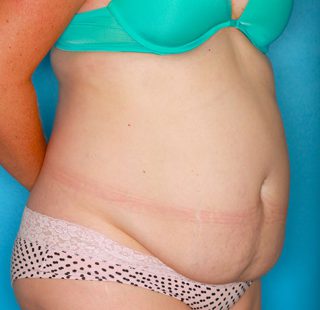
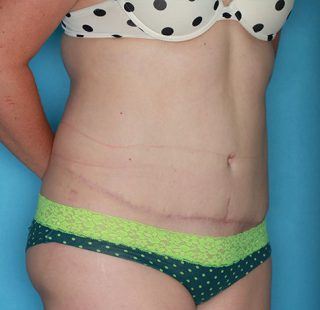
Furthermore, patients should be at or near their ideal weight to be considered good candidates for tummy tuck surgery, as notable weight fluctuations following treatment can have a negative impact on the final results.
Tummy Tuck Surgery vs. Liposuction
While both tummy tuck surgery and liposuction can improve the appearance of the midsection, they are not interchangeable. A tummy tuck (abdominoplasty) is specifically designed to remove excess skin and tighten weakened or separated abdominal muscles; meanwhile, liposuction focuses on removing stubborn fat deposits that are resistant to diet and exercise.
In many cases, combining a tummy tuck with liposuction allows patients to benefit from both skin tightening and precise fat removal, resulting in a more comprehensive transformation than either procedure alone. Dr. Miller will be glad to evaluate your anatomy and aesthetic goals to determine whether a tummy tuck, liposuction, or a combination of both may best help you achieve your desired result.
Complementary Procedures to Tummy Tuck Surgery
Tummy tuck surgery can be combined with other treatments. As discussed above, liposuction is often incorporated into tummy tuck surgery for more comprehensive effects. Other options – such as breast augmentation, breast lift surgery, and even facial enhancement procedures like facelift or eyelid surgery – may be included, as well.
Performing abdominoplasty with these complementary procedures is a common request, especially for women who have had children and want to revitalize their overall appearance. A tummy tuck can be a great method for slimming the abdominal region and when combined with other cosmetic treatments, it can comprehensively enhance the body’s contours.
Please be aware, however, that the decision to combine tummy tuck surgery with other major procedures is made on a case-by-case basis. Factors such as overall health, body mass index (BMI), surgical risk profile, and the anticipated length and complexity of the operation are carefully considered. In some situations (particularly when patients have underlying medical conditions or an elevated BMI), Dr. Miller may recommend staging procedures separately to prioritize safety and optimize outcomes.
How Is the Tummy Tuck Procedure Performed?
Dr. Miller offers two tummy tuck options: standard abdominoplasty and mini abdominoplasty. When excess skin and damaged musculature are located both above and below the belly button, the standard approach to tummy tuck surgery is usually necessary. In the event these issues are mild in severity and limited to below the belly button, a mini abdominoplasty may be an appropriate option.
During the tummy tuck procedure, an incision is first made along the lower abdomen. In a standard abdominoplasty, this incision typically extends from hip to hip, while a shorter surgical mark is generally utilized for mini abdominoplasty. Through the incision, stretched and/or torn musculature is repaired and excess skin is removed. If necessary, liposuction can be employed to eliminate extra fat and maximize abdominal sculpting. Finally, the remaining skin is pulled tight and the incision is carefully closed to promote optimal healing and reduced ultimate scar visibility.
Total treatment time for abdominoplasty is approximately two to three hours, depending on the technique utilized and the specifics of the procedural plan. Once complete, patients are usually allowed to return home with the aid of a friend or family member later the same day.
What Is Recovery from a Tummy Tuck Like?
Immediately following tummy tuck surgery, some extent of swelling and bruising throughout the treatment region can be expected, though these symptoms should fade with time. Discomfort can virtually always be controlled effectively with oral medication, and this should also lessen as days pass. After about one to two weeks, you will likely be able to resume normal, non-strenuous daily routines (such as office work, errands, etc.), but any strenuous activities will need to be avoided for at least four to six weeks. Following this period, the gradual resumption of all activity is usually possible.
What Are the Typical Results of Abdominoplasty?
A tummy tuck is designed to help you achieve a slimmer profile by tightening abdominal muscles and removing loose skin. Potential results include a firmer, flatter abdominal contour, and many patients even go down a couple of dress and pant sizes. Beyond the physical transformation, patients may stand up straighter with more confidence due to improved posture and alleviated back pain.
Is a Non-Surgical Tummy Tuck Possible?
There are currently no non-surgical alternatives that produce the same results as a tummy tuck procedure. Abdominoplasty is designed to tighten weakened abdominal muscles, remove excess skin, and smooth the abdominal appearance. While many products claim to achieve the same results, none can deliver the significant difference a tummy tuck can. Devices such as the “Tummy Tuck Belt®” and others that claim to provide similar outcomes to an abdominoplasty are simply not capable of the tissue and muscle alterations inherent in a tummy tuck procedure.
Does Tummy Tuck Surgery Cause Scarring?
Just like any other procedure, tummy tuck surgery will leave a scar; however, the incision is made in the lower abdomen which makes it easier to conceal under most types of clothing, including undergarments and swimsuit bottoms. Because every person heals differently, it’s impossible to predict how noticeable and visible the scars will be over time. Many patients find that residual scars flatten and fade as time goes on, often for one to two years after their surgery. To help the incisions heal properly and minimize scarring, we highly recommend following the detailed post-operative instructions that Dr. Miller provides after surgery.
How Much Does a Tummy Tuck Cost?
The cost of tummy tuck surgery will vary for each patient due to their individual needs. Factors that can affect the overall expense of the procedure include the surgeon’s fee, anesthesia costs, the complexity of treatment, and whether complementary surgeries were performed.
Our team will be able to provide a more accurate price quote for your personalized abdominoplasty procedure at your initial consultation. Please do not hesitate to get in touch with us if you have any questions or concerns about financing.
Additional Tummy Tuck Surgery FAQs
Is tummy tuck surgery painful?
Tummy tuck surgery is almost always performed under general anesthesia, so patients should not feel pain during the procedure itself. Some discomfort is expected during the initial recovery period, but is typically temporary and manageable with prescribed or recommended pain medication.
Is tummy tuck surgery safe?
When performed by a board-certified plastic surgeon such as Dr. Miller, tummy tuck surgery is generally considered a safe procedure.* Dr. Miller follows strict surgical and safety protocols and carefully evaluates each patient’s health and anatomy prior to surgery. As with any surgical treatment, potential risks exist and will be thoroughly discussed during your consultation to help you make an informed decision.
How long do tummy tuck results last?
Results from a tummy tuck typically last several years and, occasionally, an entire lifetime – as long as patients take some precautions. Maintaining a healthy lifestyle can contribute to the long-term success of the procedure, as weight fluctuations may influence the effects of abdominoplasty.
If you want to learn more about tummy tuck surgery and its many benefits, contact our practice today to schedule a consultation!